
Boda-boda rider registration, permit fees and roadside permit checks for city councils
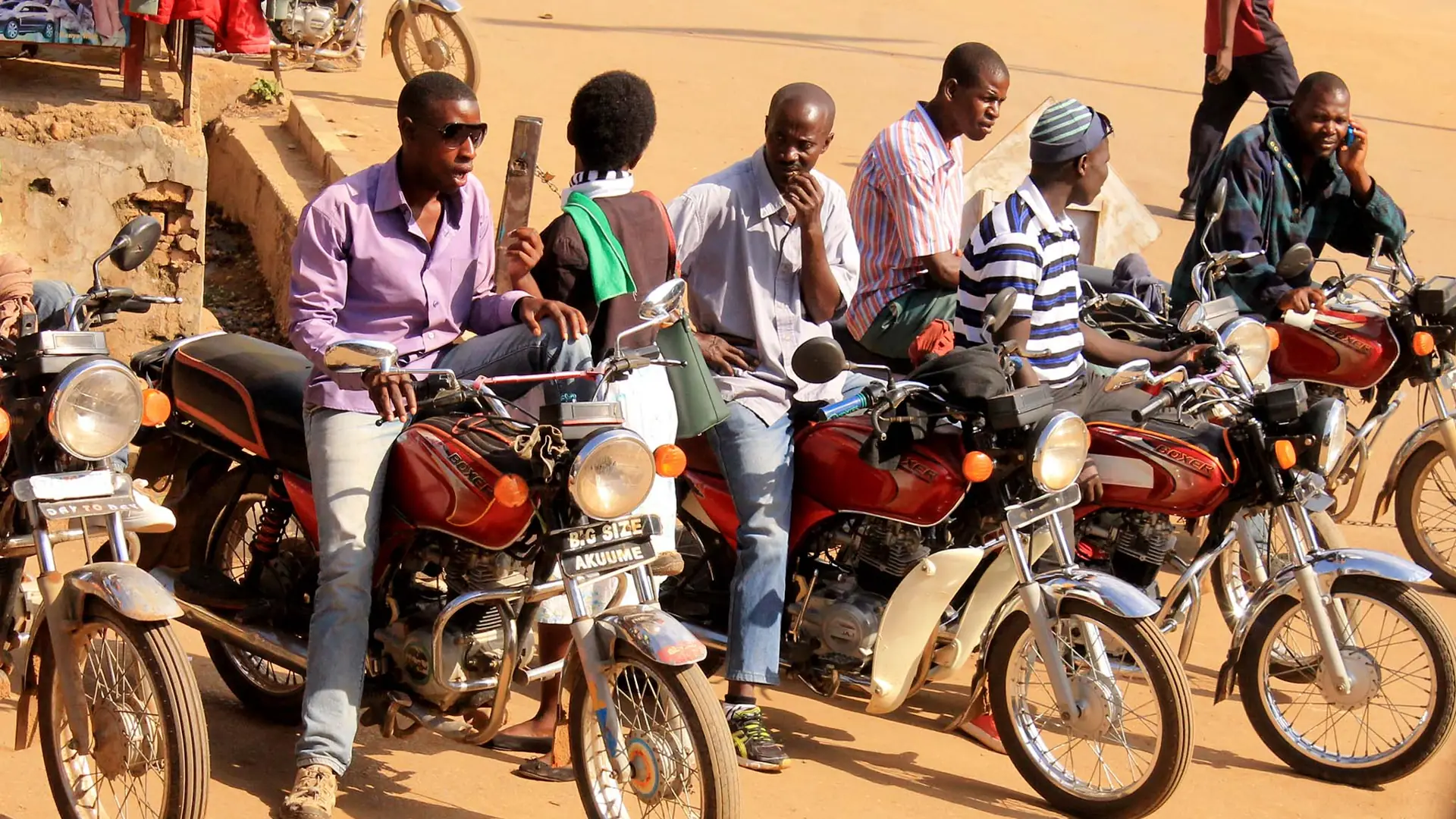
Every rider registered at the stage they work from
A rider with a name, a photo, a number plate and a stage on record can be traced, trusted by passengers and reached by the council. Chairpersons register riders where they already work.
Why it matters
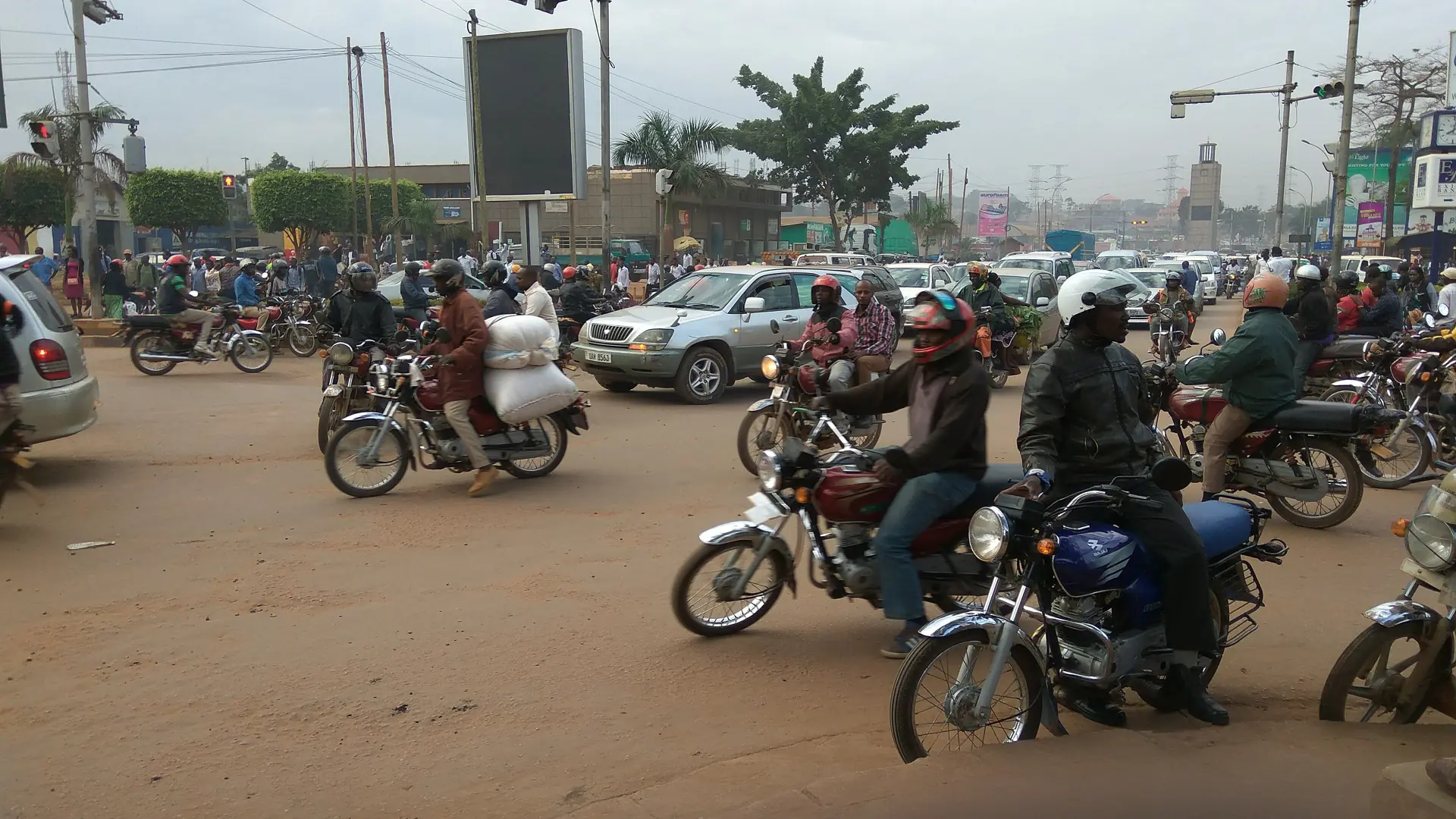
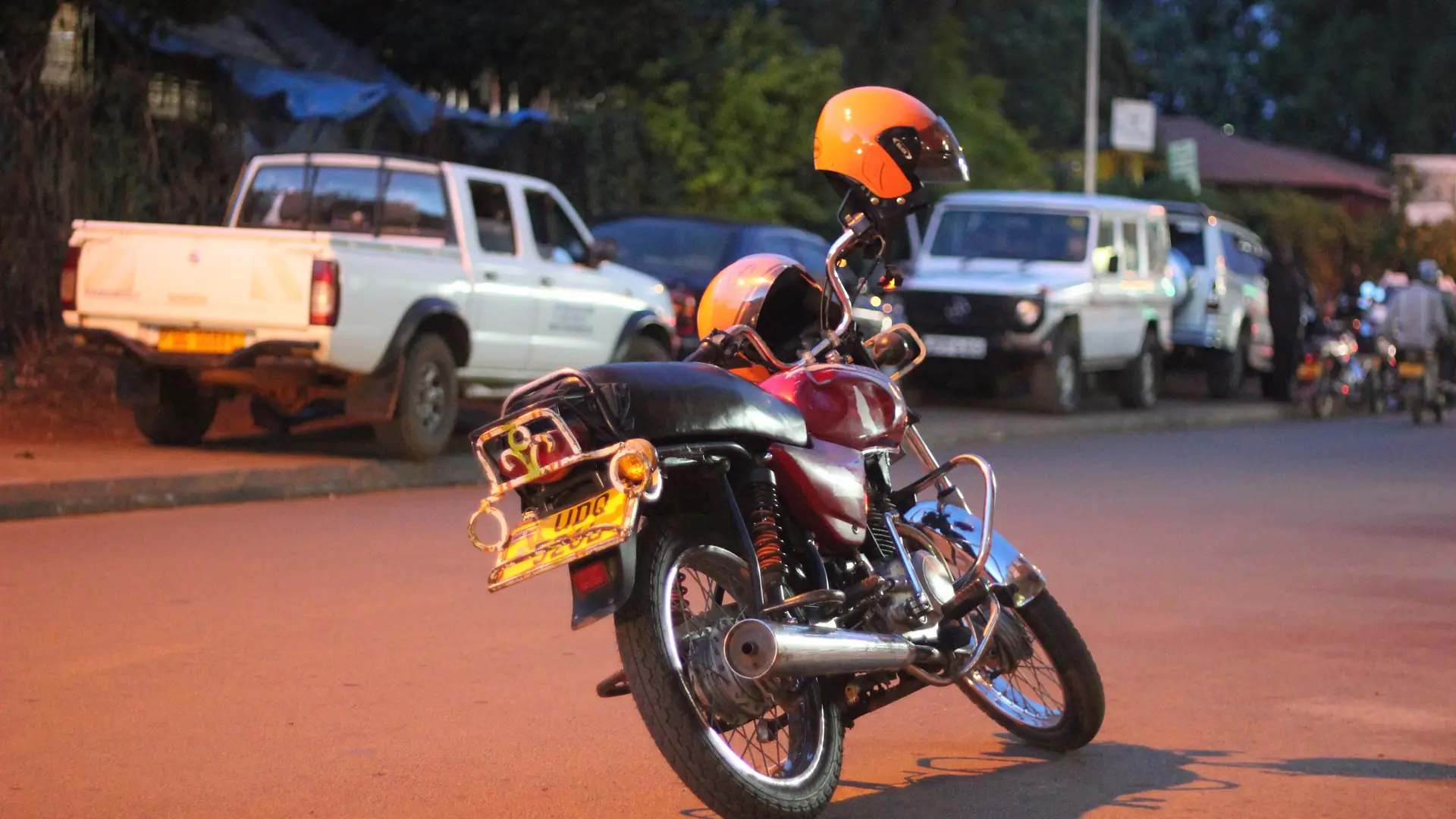
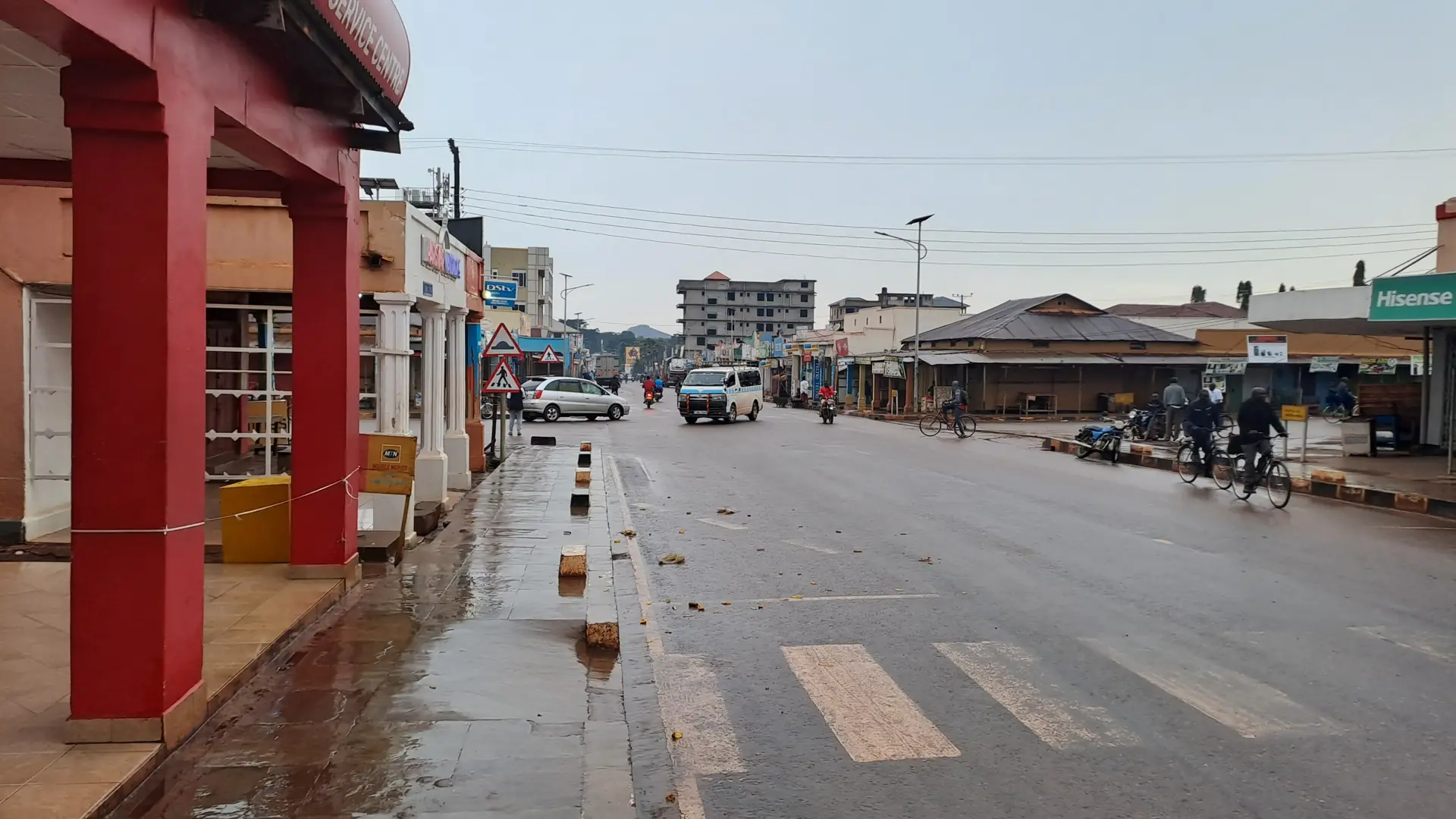
Boda-bodas are how many people get to work, to school, to market and to hospital. Knowing who is riding, and whether they hold a valid permit, protects everyone on the road.

-
Safer trips for passengers
A passenger can check a rider before the trip. If something goes wrong, the rider can be traced through their stage and their record.
-
Fees that are accounted for
Cash collected at a stage is receipted and handed over on record, so the council knows what was paid, by whom and what is still owed.
-
Fair checks for riders
A rider with a valid permit proves it in seconds. A check rests on the record, not on an argument at the roadside.
-
Plans based on real numbers
Councils decide where to enforce, which stages need help and what to charge from live registration and payment figures.
How it works
Four steps take a rider from joining a stage to a permit anyone can check on the road.
-
The council sets the rules
The city council enters its stages, the yearly permit fee and the grace period. Every chairperson and officer then works from the same rules.
-
Chairpersons register riders at the stage
The chairperson knows every rider at the stage, so they record each rider's NIN, photo and plate, and collect the fee in cash or by mobile money.
-
Each rider gets an ID card
The card carries the rider's photo, stage and a QR code. Riders with an email address or phone number also get a portal for receipts and renewals.
-
Anyone can check a permit
Officers and passengers scan the QR code or type the permit number, and see at once whether the permit is valid, expired or pending.
Who it is for, and why them
Four groups share one record of every rider. Each has a reason to keep it right, and each sees only what their work needs.
City councils
They set the permit fee and answer for road safety in the city. They see every stage, rider and shilling collected, follow up defaulters and plan enforcement from real figures.
Stage chairpersons
They already know every rider at their stage by name, which makes them the right people to register riders, collect fees and hand out ID cards.
Riders
Their income depends on staying on the road. A permit they can show on a card or a phone, with receipts to prove payment, keeps them working.
Government
National agencies need the full picture without handling local records. They get a read-only view of registration, compliance and revenue across cities.
What you can do with it
The tools each part of the permit system needs, from registering a rider at the stage to the council's monthly report.
Register riders once, at the stage
Name, NIN, photo, plate and next of kin, recorded by the chairperson. A NIN or plate that is already registered is caught before it is saved twice.
ID cards that prove themselves
Each card shows the rider's photo, stage and permit number. Its QR code opens the live permit status, so an expired or copied card is spotted at once.
Cash or mobile money, always receipted
Chairpersons record cash at the stage and hand it over to the council on record. Riders can renew from their phone. Every payment has a receipt number.
Roadside checks on any phone
Officers scan a card with the phone camera and can note what they did. The council sees every check, where it happened and the outcome.
Reminders before a permit lapses
Riders get a text message and a portal reminder before their permit expires. Chairpersons see who is due this month.
Reports councils can act on
Collections by stage and month, the agreed revenue split, defaulters and enforcement, ready to print or export.
Questions people ask
Check a rider's permit
Before a trip or at a checkpoint, type the permit number printed on the rider's ID card. You see at once whether the permit is valid. Only the status and a partly hidden name are shown, to protect the rider.
Ready to register the riders in your city?
Tell us how many stages your city has and how permit fees are collected today. We set up the council, its stages and the fee, and show the chairpersons how to register their riders.